Our story
We almost missed the party
There’s a volleyball association at TU/e that throws one of the biggest parties in Eindhoven. We found out about it at the last minute, through one friend who happened to be a member and happened to mention it. We went. It became one of our best memories of this city.
And that’s exactly what bothered us. Not the party. How close we came to missing it.
It wasn’t a secret. It was promoted: on Instagram, through the association’s own channels. The organizers wanted a full room. We wanted to be in it. But posts scattered across accounts we didn’t follow never stood a chance of reaching us. The whole thing arrived through exactly one person, by luck.
Ask around Eindhoven and everyone has a version of this story. “Oh, they posted about it. Are you not in the group?” Sometimes it’s a group chat, sometimes an account, sometimes a friend who forgot to mention it. Nobody chooses which channels reach them in their first months in a new city. You get lucky, or you don’t.
Here’s the strange part: nobody in this story is doing anything wrong. The associations, the collectives, the party crews: they genuinely want more people to come. The newcomers genuinely want to come. But when finding out depends on who you already know, warmth looks like gatekeeping from the outside.
The inclusive communities look so exclusive.
The pit stop problem
We’re Mir and Bhuvan. Mir is Kurdish; Bhuvan is German-Indian. We met in our first year of computer science at TU/e, and between the two of us we’ve done the arrive-somewhere-new-and-start-from-scratch thing more than once. New country, new language, new people. It’s hard, and it’s worth it, because home was never a place or a passport to us. Home is the people you laugh with and the memories you make with them.
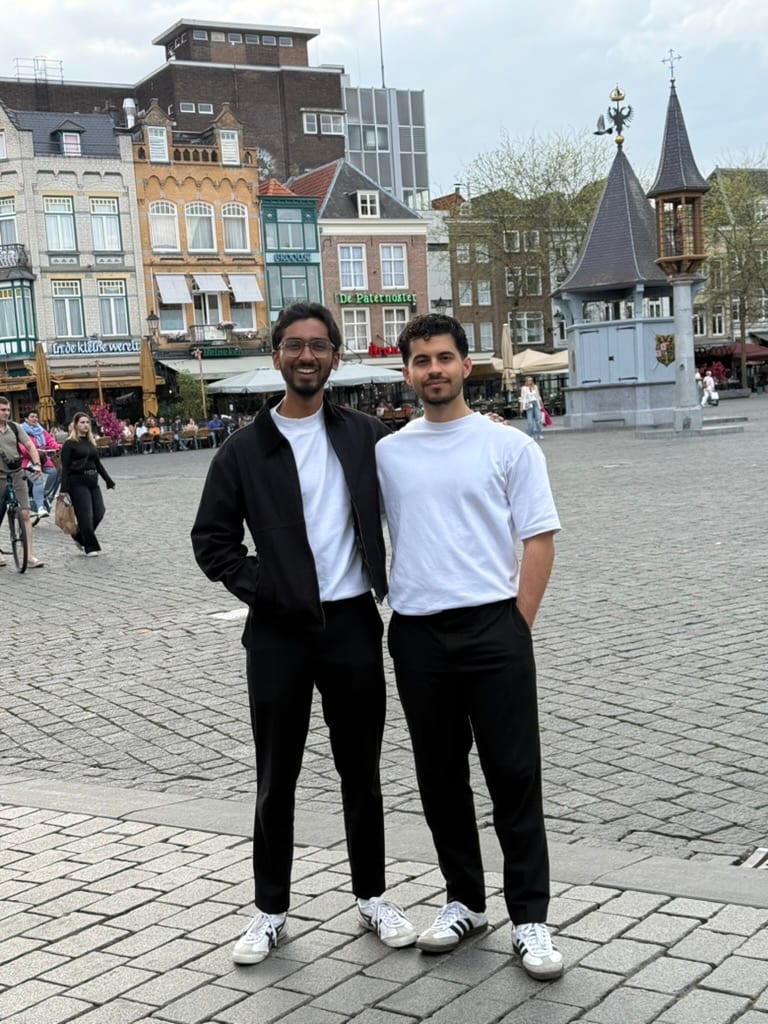
Which is why Eindhoven puzzled us. This is the most international region in the Netherlands. The city just passed 250,000 residents, and much of that growth is people arriving from abroad: students, engineers, families. And yet, for so many of them, the city functions like a pit stop. Live here, work here, and count the days until the next flight home.
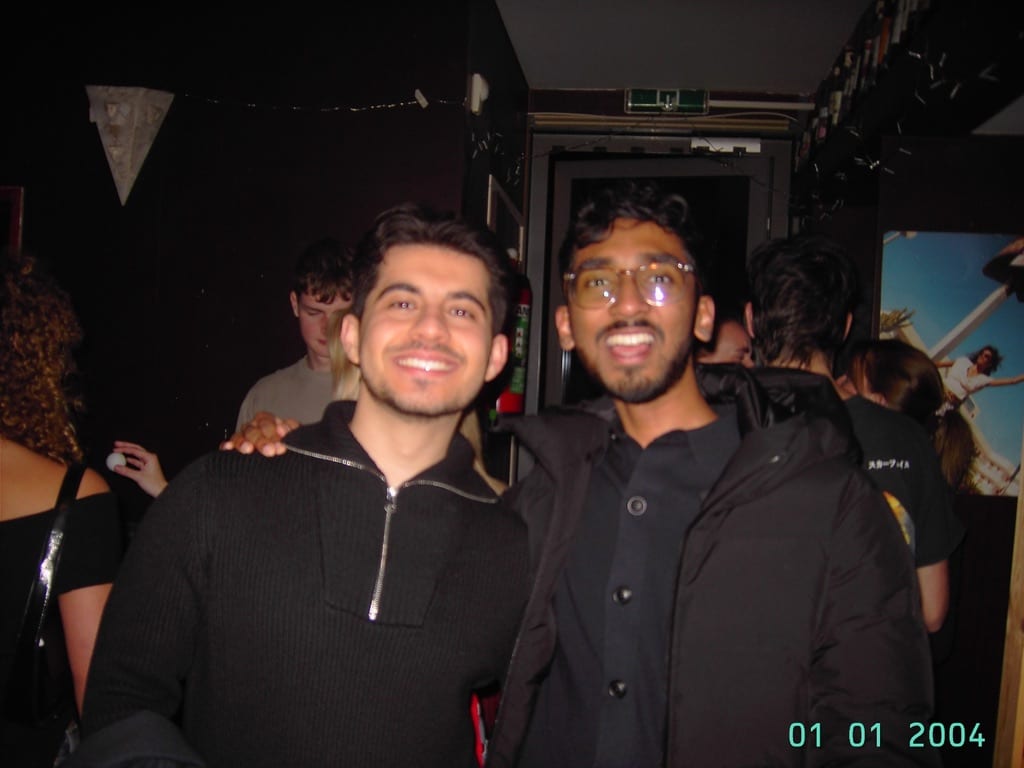
We don’t believe that’s a preference. We believe it’s a consequence. People count the days because too little binds them here, and too little binds them here because the experiences that would do the binding are hidden behind luck.
The tools made it worse
When we looked at how events actually run in this city, we found two kinds of tools.
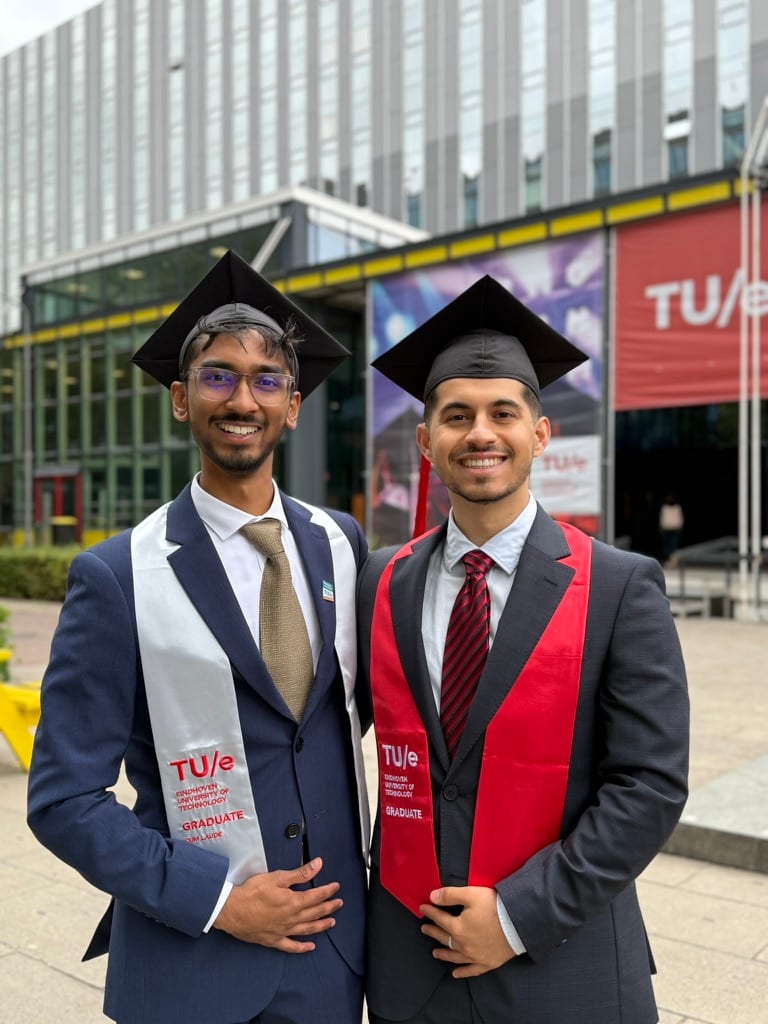
The first kind is fragmented. A form for sign-ups, a spreadsheet for the guest list, a payment link, and a clipboard at the door. We once queued outside a student association event while volunteers checked people in by last name, and when two people shared one, everyone waited while they sorted out which was which. We stood in line at our own graduation digging through four different inboxes, trying to remember which email we’d used to register, because the QR codes had to be somewhere.
The second kind is worse: extractive. You’ve seen it. The ticket says €10. You enter your details, you enter your card, and suddenly it’s €13.59. The fee waits until you’ve already invested the effort, because that’s when you’re least likely to walk away. Somewhere along the way, an industry noticed that people need to connect, and decided that need was something to tax.
A ticket advertised at €10.00 with fees added at checkout (€1.10 service fee, €1.50 transaction fee, €0.99 processing), totaling €13.59.
One kind of tool wastes your time. The other picks your pocket. Neither deserves to sit between people and their evenings.
So we built the front door
Revelry is one place where the city’s events live.
You open it and see what’s actually happening: everything, not just what happened to leak into your group chats. You get a ticket, and the price you saw when you decided is the price you pay. Your ticket lives in the app, not buried in one of your Gmail accounts. At the door, one scan and you’re in. And afterward, the photos from the night live there too, because the point was never the ticket. The point was the memory.
A Revelry ticket priced €10.00. No fees are added.
For the people who make events happen, Revelry is one system instead of five: create the event, set tickets (free or paid: free events are not an afterthought here), watch sales live, scan people in with the phone already in your pocket, get paid. Waitlists fill cancelled spots automatically. Refunds don’t require a spreadsheet archaeology session.
Why we won’t drop this
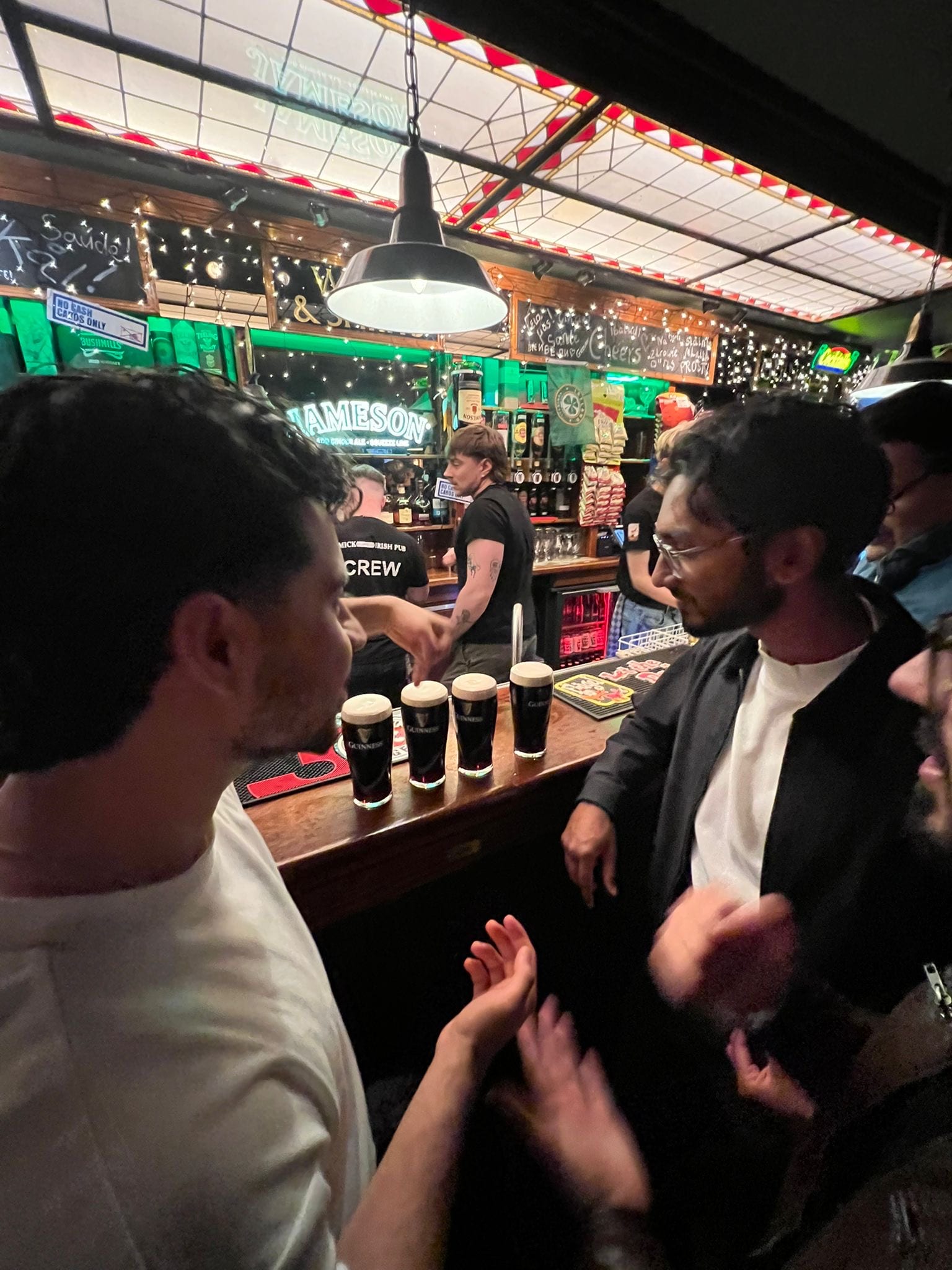
We got our education from this city. We’ve had nights here we’ll be telling stories about for decades. Before we go anywhere, we want to leave something behind that makes the next arrival easier than ours was, for our younger selves, and for every person who lands at Eindhoven Airport with two suitcases and no group chats.
If everyone waits for someone else to fix this, nobody will. So: hi.
The need is simple: people want to find their people. The solution should be simple too.
If you organize things,
Become an organizerIf you want to see what’s on,
Get the app